MONARCHS: The necessity of social institutions.

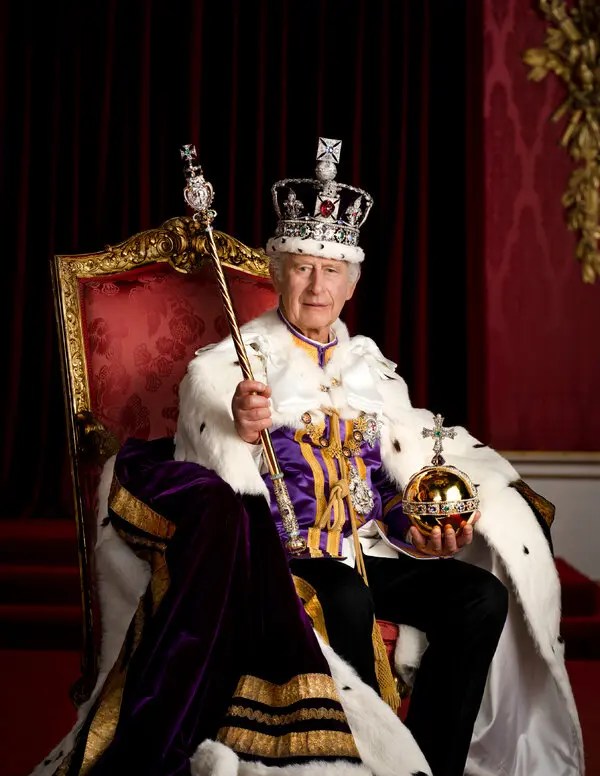
During King Charles III’s coronation, there were anti-monarch protesters with placards that read ā€˜NOT MY KING. The groups’ quarrel in brief; ā€œHereditary public office goes against every democratic principle,ā€ they state. ā€œAnd because we can’t hold the King and his family to account at the ballot box, there’s nothing to stop them abusing their privilege, misusing their influence or simply wasting our money.ā€ – Republic ( an anti-monarch group founded in 1983) Differing from thought and principle, another larger group celebrated the Prince who waited 70 years for the throne to-become King!

Likewise, Uganda has over 21 recognised Kings for the multi-cultural indigenous tribes in the country, and the Kabaka of Buganda the most prominent. Although Kings and cultural leaders are not politicians or heads of the central government, they do wield insurmountable influence and power over society and the leadership. So, the question I asked myself while I watched the bedazzled crowning of England’s 13th monarch since the union was simple but heavy,

HOW IMPORTANT ARE KINGS IN A DEMOCRATIC SYSTEM?

a.Representation.

In a country with over 50 tribes of distinct Languages, norms and traditions, identity and the need to belong is more pronounced. Individuals and families in Uganda attach themselves to respective sects through last names and sometimes dress codes. This is to exhibit their tribal affinity in communities. A definition of who they are, either a muganda, musoga, munyakore, Acholi, Itesot or Langi (to mention but a few). The sense of self, root and originality.. and all this is represented by the Kings, Chieves and Queens crowned. So, like religion and race, tribes do provide a fellowship for so many.

These Tribal leaders therefore, can be and often are, metaphorical symbols of your standing in society. The status of your King can influence or impact your own repute, directly or indirectly. The public services you access and ultimately the environment you call home. They’re at times the voice for their respective tribe to central government. A quite whisperer to the democratically elected men and women in such a multi-tribal nation lobbying for his or her tribesmen. One can say, these institutions fight the bigger battles you can’t fight on an individual level.

b. Preserving History

‘Where did I come from?’ This is a question asked by so many globally who are trying to trace their hereditary origins. This can be a futile endeavour if such monarchs didn’t exist. Contrary to most elected leaders, Kings are tasked and find it as a noble duty to preserve what their fore fathers have left behind and continue the traditions in these evolving times. Without these cultural institutions, history can easily be rubbed away by the next elected leader who doesn’t carry similar political ideologies with the outgoing.

‘Olusesse’ is one of the dying languages in Uganda and the lack of a King or cultural leader is predominantly the reason why. In a century from now, it might be forgotten and gone from people’s minds. Similarly, various tribes are unknown and are a candle in the wind. Imagine your child asking you about their name and you have no idea where it is from, or why it is so?

The Ugandan tourism sector has profitably earned from the existence of these cultural institutions over the years. The reason people come to see your culture is for the uniqueness, beauty and perseverance.

c.Presitige

Pride. Kings offer extended joy and prestige to it’s people. The way you feel when your favourite sports teams win the championship or athlete is awarded the MVP of the year. You feel that you win when they win, loose when they loose, from the sense of belonging comes a sense of prestige too.

THE PROBLEM

In 1967, Obote abolished all Kingdoms when he deemed them a threat to his power and presidency. Similar sentiments have been held by other leaders who have exercised more level-headed tactics in dealing with the influence Kings have on society. Most politicians would rather not have to deal with Kings but likely envy the permanence of position, such cultural leaders hold. Death seemingly being the greater threat to their power and not an election. A king is on the throne for life and what politicians would give to have that.

Other people like the Republic group in England simply feel they should choose their own leader. Not to wait for one birthed down for them.

Today, in most African, European and Asian countries with Kings and cultural leaders, you find a people split in opinion. For and against the monarchy. The United Arab Emirates would be a compelling study for a monarchy that works since many elected leaders have led their countries into destruction scanting over issues of development and economic independence for the general public but rather focus on self improvement and wealth accumulation as fast they can before the next election.

CONCLUSION

Monarchs are likely to exist as long as society does, in whatever form they will in the technological era to come. As of now I think, I’m waiting for an integrated world without borders that will speak one language and see no colour, tribe or race. When this happens then maybe, Kings will no longer serve the innate human need to belong.

ABOUT ME:

I’m a God fearing Ugandan writer, film producer and artist working in the Ugandan media industry for over the last ten years now and am thankful for the experience, the people I’ve met and the modest living I’ve earned along the way. Thank you for reading this blog. You’re a unicorn. So continue being awesome and kindly share with a friend, leave a comment and subscribe to keep in the know of what I write weekly every Friday! See you next time. Stay Kind.

Find me @edrismatu on Twitter, Instagram,YouTube, and Linkedin
SELECTIVE SERVICE: a poor restaurant experience.

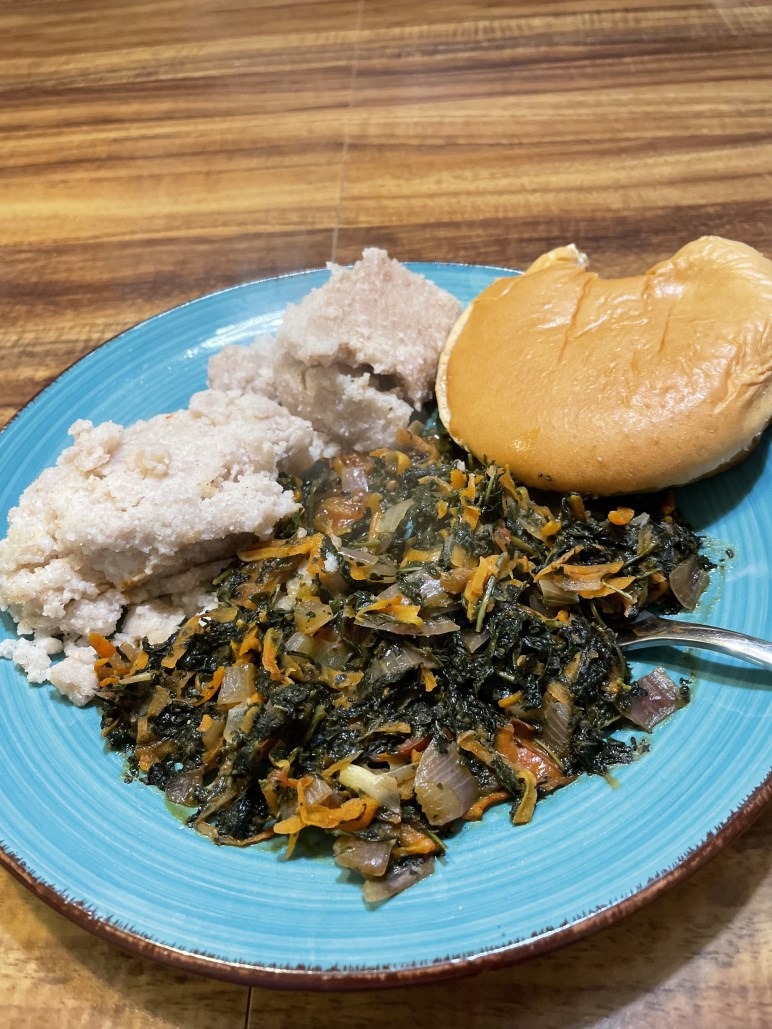
We dine out looking for the ambiance, better cooking and of-course good service. The occasional escape from the homemade meals to (if you choose right) the fancy and expensive buffet at our favourite restaurants, cafƩs and kafundas (Hot Joints). It could be a lunch date, dinner or just a weekend out to sit at that cozy corner and read a book or write something creative.

The meal price tag on the menu comes with expectations. If I’m going to pay a steep price for a meal, I expect Good Food + Ambiance and most importantly SERVICE. The cheaper the meals the more lax I am about everything. I’m hungry and I just want to eat and move on.

THE PROBLEM

a.The Order or Leave policy

In Uganda, most uptown restaurant or cafe owners spend millions to create a cozy and comfortable environment for the guests. From cozy furniture to trendy stylistic interior decor meant to convince customers that the food is good here (often not). This is a strategy for recruiting new clients and hopefully retaining them, but on one condition, order for at least a drink or Leave.

This is common practice and a sort of ‘unsaid rule’ that most locals like myself are aware of. You can’t enter a restaurant and sit, work on your laptop or read a book for more than 30 minutes without having ordered something. The minimum requirement is a bottle of water or soda. Otherwise, one of the waiter/tress will approach you and with all intentions try to get you to order. Here are some of those polite reminders proffered to ‘idle’ customers.

  • As a standard, the server will bring to you a menu the moment you sit down. In other countries customers wait to be seated but it’s different here, you can walk in and find a seat of your liking. No fuss needed. So this is when the subtle but determined signals begin. If the waiter has brought a menu to you and you don’t order immediately, they will know that you are not a ‘usual’ frequent customer; those know what they eat. So the waiter will stand by as you peruse through the cardboard menu (printed and designed with internet food pictures), critically scanning your face or at other times nonchalant and bored (already tired of their job and want to yell at you to order so they can move on). If you seem lost for choice, they will make a few suggestions, usually Matooke and chicken or all food and meat. The top billers first. Not beans or vegetables soups. In other-words, make up your mind or let us help you do it.
  • If you are genuinely not ready and need more time to read through the menu, then naturally you will ask the waiter to give you some more time, ‘I will call for you when I’m ready’. The server will smile and walk away with one last profiling scan of you. Weighing your probable class and intention. If in more than 10 minutes, you have not ordered, then they will return, having made up their mind that you are either broke or one of those idle customers looking to hang out and take selfies then leave. (The judging can get real and tough) Next step is to offer you a drink as you read the menu. ‘Can I bring you water or Soda?’ they will ask. This is I think a boot camp training trick for Ugandan servers. A safe-guard alternative to have you order something incase you indeed just looking to sit without eating.
  • When the carrot fails, it’s sticks out! ‘My boss says you have to order or leave’ A waitress has said this to me once I and my best friend were taking a bit of time to order since what she wanted was not available that day. The servers will either get aggressive with you or make up scenarios of how their superiors will make them pay if a customer they are waiting on sits for longer than 30 minutes without ordering something off the menu. I am not sure if this is indeed true or not but there is surely smoke under that pot.

b. We serve based on race and status

I came to learn from my non-Ugandan acquaintances that they had been to the same restaurants and CafƩs, sat for hours on their laptops and books without ordering a single bloody water or soda. Got done and left without spending a coin. This too is another unspoken custom understood by restaurant servers in Uganda. However, there are places that have no selective service.

Majority of Ugandans are polite and not quick to make a scene when there is poor service and I guess this why it is difficult for servers to approach non-Ugandans on the same issue or the fact that guests are given special treatment. But should it be like that? I don’t think so.

CONCLUSION

Restaurant owners defend the observance of the ‘Order or leave’ unwritten rule with the need for security against hooligans and business reasons. A very understandable explaining if this custom is applied to all customers, but it’s not. Otherwise it groups itself under the segregational mentality and prejudice against people of different backgrounds. Public spaces have to be welcoming to anyone, regardless of race, tribe or appearance. To restaurants that run this covert ugly behaviour, customers will quietly leave your business. Make the decent choice of welcoming every customer and if these are the rules for your establishment, then no one should be an exception.

ABOUT ME:

I’m a God fearing Ugandan writer, film producer and artist working in the Ugandan media industry for over the last ten years now and am thankful for the experience, the people I’ve met and the modest living I’ve earned along the way. Thank you for reading this blog. You’re a unicorn. So continue being awesome and kindly share with a friend, leave a comment and subscribe to keep in the know of what I write weekly every Friday! See you next time. Stay Kind.

Find me @edrismatu on Twitter, Instagram,YouTube, and Linkedin