The Museveni Era Continues… (PART 1)

With 60.75% of Uganda’s voters saying yes to him, congratulations are in order to H.E Kaguta Yoweri Museveni for winning his 5th elected term as president of Uganda. The National Resistance Movement (NRM) political party continues to govern the pearl of Africa after a dramatic and tense 2016 electoral campaign against 7 opposing party and independent political aspirants.
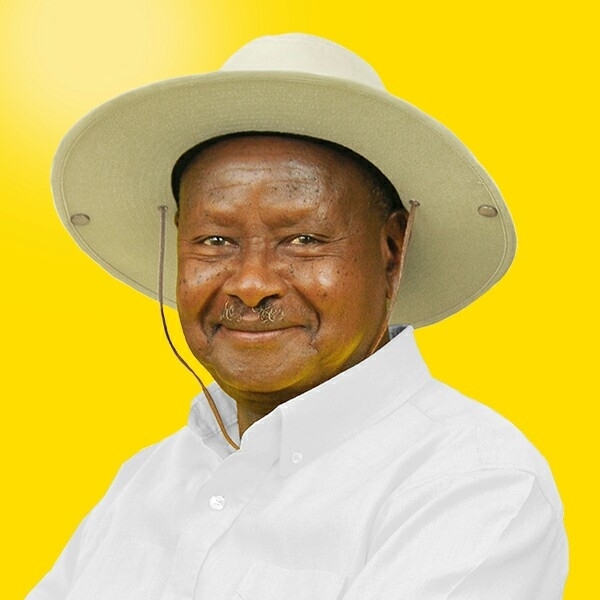
Museveni Though Museveni and NRM have been a target to beat, they did it again!  Won with a 25.38% gap from defiant rival Dr. Kizza Besigye of the Forum for Democratic Change (FDC) party who obtained a 35.37% of Uganda’s votes.  Since 2001 the two (Museveni and Kizza Besigye)  have been in a close and heated race for the presidential seat with the former beating the latter each time. (Once beaten twice shy. Does this apply here?)

In 2001, political parties were still banned and so 6 independent candidates vied for the big seat. Museveni and Kizza Besigye were the strongest competitors and with a 70.3% voter turn out the incumbent Yoweri Kaguta Museveni won at 69.33% and Kizza Besigye lost with 27.82%. This year (2001) marked the beginning of a rivalry that would get Kizza Besigye arrested on the 14th November 2005 on allegations of treason and rape. The arrest led to demonstrations and riots in Kampala as supporters believed it was a government plot to throw Kizza Besigye out of the elections.

2006 ushered in the 1st multi-party elections. Museveni continued to beat his competition with 59.26 % and Kizza Besigye came second with 37.39%.  One can say this year was a producent of the most tense, dramatic and threatening elections Uganda has had. Besigye later protested the results but his request to dismiss the poll was rejected by the Supreme Court by a 4 to 3 vote.

Come 2011, Kizza Besigye had not given up on the chase to the top seat. Through a hard campaign characterized with multiple arrests, riots and alleged voter intimidation, Besigye’s efforts were not strong enough as he attained a 26.01% of Uganda’s votes and fell on his face the third time. Museveni came out triumphant with a 68.3% of votes in 2011 and now cruises towards a 30 year rule in governance. At his 2016 victory press address in Rwakitura, H.E Yoweri Kaguta Museveni expressed his frustration by some individuals who converge their efforts on the big question; ‘when and how he will retire?‘ but abandon the real issues. Issues of how the country and their people will survive. He assured the country that he’s only goal is to continue the steady progress to prosperity for all.

When asked what his plans are for 2016 -2021….
 

Do Ugandans actually Vote?

4 out of 10 people I know abandon the ballot paper on the D-day. The reasons they give:

1- the elections will be rigged anyway, why should I vote?

2- I am too busy to go and cast my vote .

3- I didn’t register for elections.

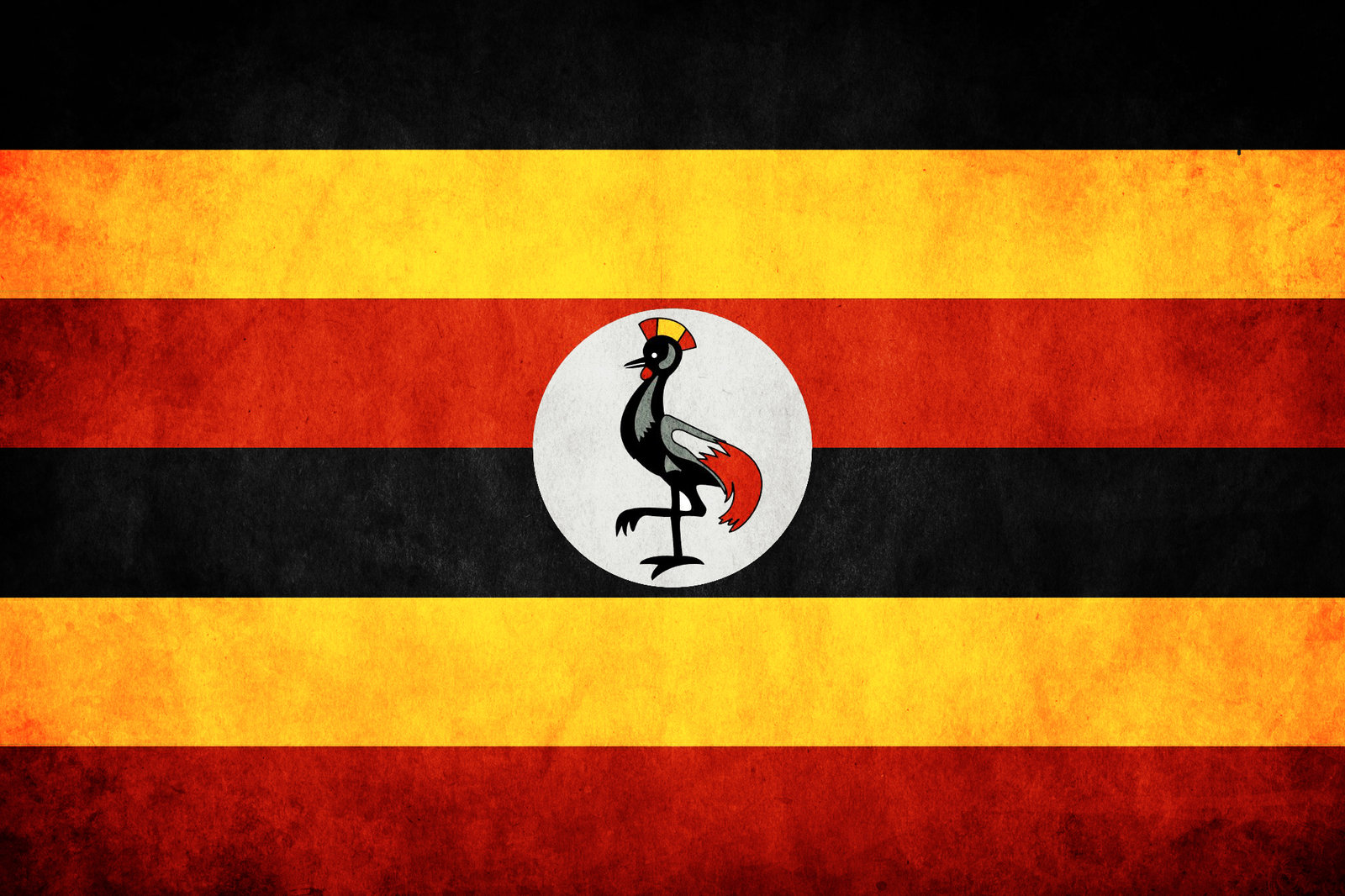
UgandaFrom 1961 Uganda has gone through government changes by elections, war and a military coupe. In 1986, Yoweri Kaguta Museveni seized power following a five year guerrilla Bush war in luweero. From then, elections have gradually become more dramatic with the last three entirely targeted at retiring H.E Y K Museveni.

So is it true that Ugandans don’t vote? The answer to that is inconclusive, but public opinion suggests that a big portion of Ugandans don’t vote because they believe that their opinion or vote doesn’t count. (am as shocked as you are!)

Uganda is a democratic country.  It’s people are free and have rights to live in whatever way they desire. (as stated by the Constitution.)  So why would a part of this young population decide not to vote?

Is it because there has been constant claims of election rigging? A practice that sent many into protest over Milton Obote’s 1980 presidential election. When the late UPC flag bearer was announced president of Uganda , the country was drowned into a period of political strife. A then young and patriotic Museveni protested this win and opted to fight the election fraud from the bush. After a five year shed of blood and struggle, the era of pseudo-democracy was over.

Under the non – partisan democracy, a presidential poll was held in 1996 pitting incumbent Yoweri Museveni against contenders Paul Kawaga Ssemwogerere and Muhammed Mayanja. This was the first election since 1980 and the country liberator Yoweri Museveni won by a landslide. After entering a new Millennium , Museveni won the 2001 election amid claims of voter intimidation and rigging. The same claims have lingered through 2006, 2011 and now most people have drawn back from participating in a process they deem faulted.

After 30 years of one president, a group of people feel they have returned to 1980. A time when Milton Obote seemed hungry to rule Uganda for as many times as he could. Is history repeating it’s self? Do Ugandans who decide not to vote believe that the elections have a pre-slated date and results before the actual day?

No VoteOthers believe Museveni is the only vision bearer and deserves to lead the pearl of Africa with steady progress. Whats your opinion? Come the 18th of February, Uganda goes to the poll another time. I say go and actually vote other than turning a deaf ear to such a significant event. Go VOTE for a fair and free election. FOR GOD AND MY COUNTRY


My First Time


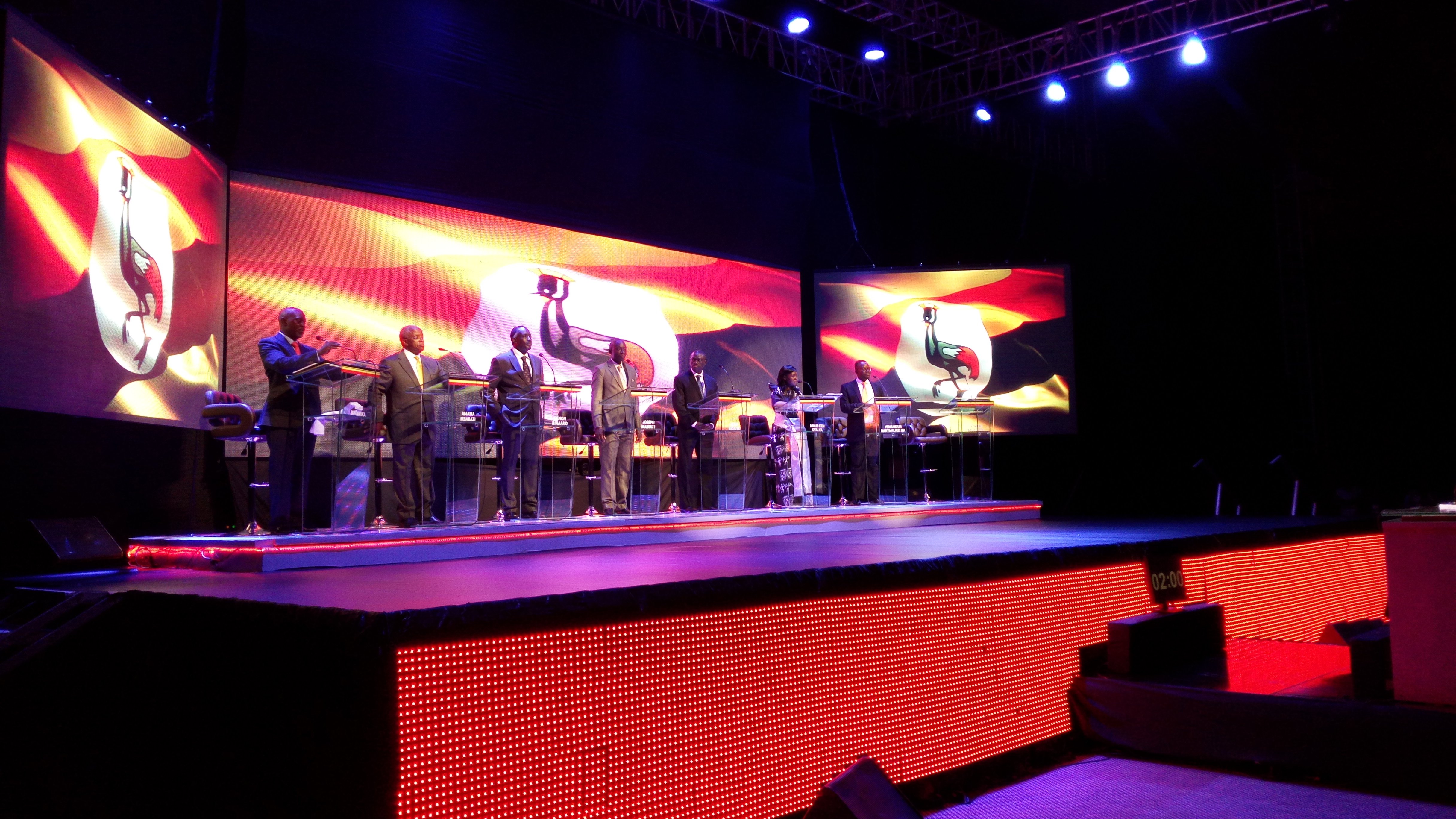
Like the first time, there is no telling how things will go. You will do general cleaning, wear an expensive perfume and still things can terribly go wrong, or right all the way to that bed of roses. UGANDA’s first ever Presidential Debate didn’t fail to entertain and amaze. With OMG moments,  missing candidates to witty speeches, this inaugural event liberated the country from the unfortunate culture of never questioning aspiring candidates to hopefully being more choosey of who to vote. (Lugambo has it some voters prefer money to manifestos. Thoughts?)

Debate

Unwillingly, Uganda looked under the skirt and so much that went unchecked before was exposed. Voters had the opportunity to watch their beloved would be leaders answer the hard questions. Some candidates impressed while others depressed or rather got some of us thinking harder on who to vote.

By this time most Ugandans have analyzed and watched the debate like that favorite Telemundo soap. Picked out their desirable ‘Salvador’ and hated that mother in law who can’t read the signs that she’s no longer welcome.

In this predictable story, 8 candidates vie for the Ugandan presidential seat 2016-2020, but only 7 turned up for the historical event. Was this a waste of time? I think not. Debates have been done by Europe, America and quite recently neighboring KENYA! If that’s not a sign, we ought to encourage awareness, openness and the ability for LEADERS to be accountable to the people not the other way round.

The debate was mainly organized by the Inter-religion Elders Council (something an election body ought to have done) and one would say it was money well spent. As the second debate lurks around the corner, (hopefully all candidates turn up) let me take the opportunity to revisit Uganda’s first attempt.

Candidate JOSEPH MABIRIZI was a superior comic relief and clearly with misplaced but good intentions. From his language, presentation and vision, many voters have compared him to a high school student trying out for the Head-boy position. The candidate failed at many times to answer questions without consulting ‘the people’s manifesto’ (his notes from class) and articulating exactly what he wanted to do. Pardon me, but I think a president should be able to express his views concisely.

Maybe if the debate was in luganda he (Mabirizi) would have made better sense. Unfortunately I am part of many Africans who have been colonized by the queen’s language and forever will believe it (English) superior to my native tongue.

The drama was in full gear when, Ms MAUREEN KYALYA constantly complained of how the world and the debate was unfair to women and other minorities. She claimed that she was never given enough time to answer questions, although the timer was never changed. To Dr. Kizza Besigye and the country’s shock, she accused him of having married Museveni’s sister  and trying to keep the presidency in the first family! At this moment, I was like how can a presidential candidate use precious debate time to engage in door to door gossip?! Ms Kyalya disappointed me greatly and failed to represent the brilliant strong Ugandan women. (Ms Kyalya, find a corner and think about what you did.)

On the other hand, Dr. KIZZA BESIGYE and AMAMA MBABAZI were the usual politicians. Giving evasive answers and the latter dodging them entirely with temporary amnesia. The greater fight from the two giants, is to retire the current president and welcome a new regime into the country, though I am not sure if it’s not a case of getting rid of a black shoe to get another black shoe. (I hope am wrong.)

Surprisingly, the less popular candidates ABED BWANIKA and BENON BIRAARO debated with such charisma and vision. Sadly winning an election in Uganda has proved not to be about the vision or the candidates’ manifesto but other unmentionables. If these two really have this much of good plans for Uganda, they should start showing it even when not president. Maybe then we shall take them seriously.

Empty Seat

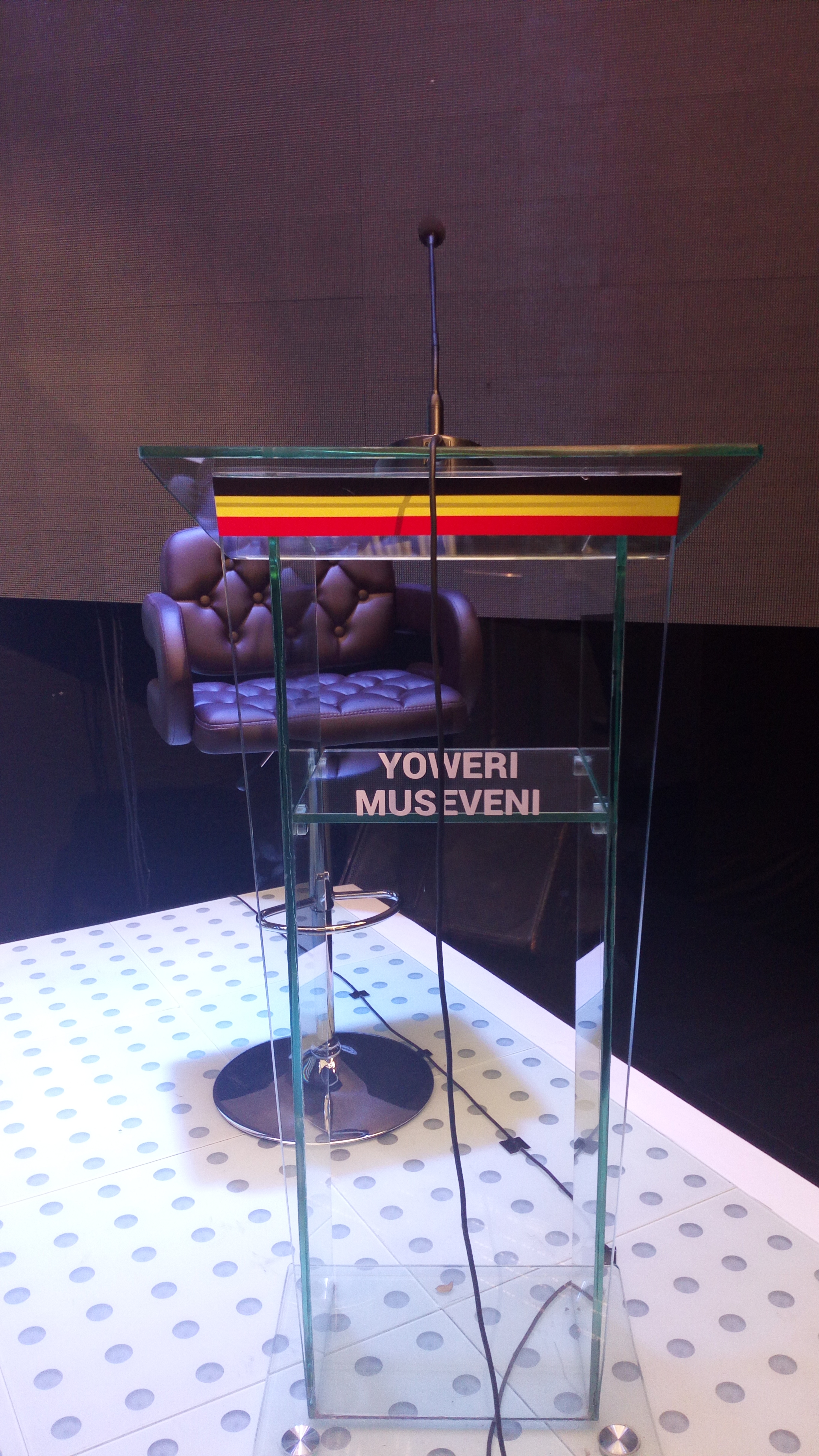
Last but not a servant to his people (words by Kizza Besigye), H.E YOWERI KAGUTA M7 declined the invitation to the ground breaking inaugural event with reason of having a tight campaign schedule. As a Museveni believer, I was disappointed by the leader declining such a moment  to reassure the country and show how he actually serves Ugandans not himself and his grand children.

Adding salt to a wound, H.E M7 later expressed his disinterest in the debate, comparing it to high school debates! (You shouldn’t have, Mr Museveni) The big question now is, will the elusive candidate make a dramatic appearance on 13th February 2016 second and final debate?


Uganda Frantically receives the POPE.

DELAY. INDOLENCE.COMFORT. Do you notice the similarity in these words?

The failure to move forward has been a dominant parasite to progress in Africa and in this article I am talking about Uganda. (spin that to politics if you may.) For over twenty years, I have lived to see my fellow Ugandans sit back and relax in that ‘arm chair of comfort’. Burying our heads into the sand and religiously backing the wrong tree.

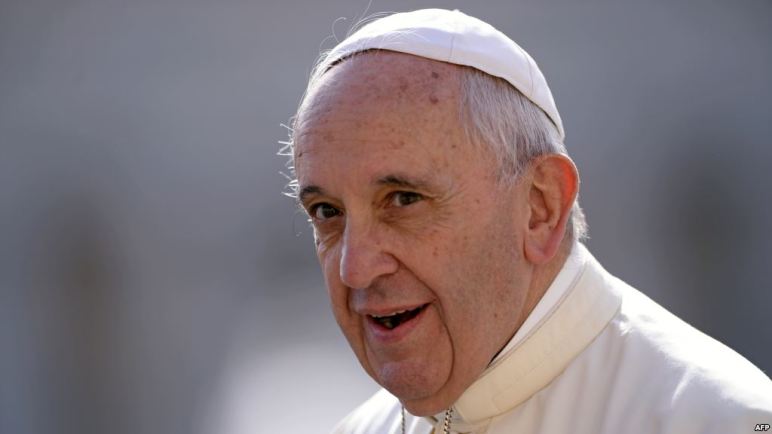
Pope Francis visits Uganda after Pope Paul IV in 1969 and Pope John Paul in 1993, making Uganda the only African nation to have three Papal visits. With such a rich history in ‘Papal visits’ one would think we would be as prepared as a kid ready to leave boarding school for the holidays but no. We dived into a frantic attempt to patch pot holes, upgrade the Namugongo Marty’s Shrine and basically act like we have been told yesterday.

Is it culture that we act at the last moment? or are we always letting others shine as we look on to admire and live as we wish this or that would happen?

DELAY. INDOLENCE.COMFORT.  Three enemies that are gradually keeping us behind. When is Uganda going to excel  and live up to the PEARL OF AFRICA? (Okay am done being angry at my country)

Pope Francis is said by some to be the most conventional, simple and dearly loved Pope yet. Women, children, Men have anxiously waited to see the man of God. To get a blessing. To touch him. (appropriately FYI). To ask him for a prayer and witness a christian historical moment for Uganda!

The last-minute preparations have to STOP. Lets learn, get up and make things happen. Uganda needs to change from its old ways and move forward to a Uganda that works for all. (pan intended) To slightly quote Michael Jackson, it starts with the man in the mirror. You and I have to change, dream and not let our dreams die in day light.

Delaying that which should be done today doesn’t make tomorrow a better time to take action. It’s now or never and Brandy sung it right ‘almost doesn’t count.’ Regret doesn’t build but attempt makes progress. Failure teaches a lesson and persistence bares fruits of success.